

Additional information
| Binding | Hardcover |
|---|---|
| Pages | 153 |
| Publishing imprint | Environment |
| Size | 22.8 x 15.2 x 2.2 cm |
| Year | 2010 |
| Keywords | global warming, development impact, water conservation |
₹495.00
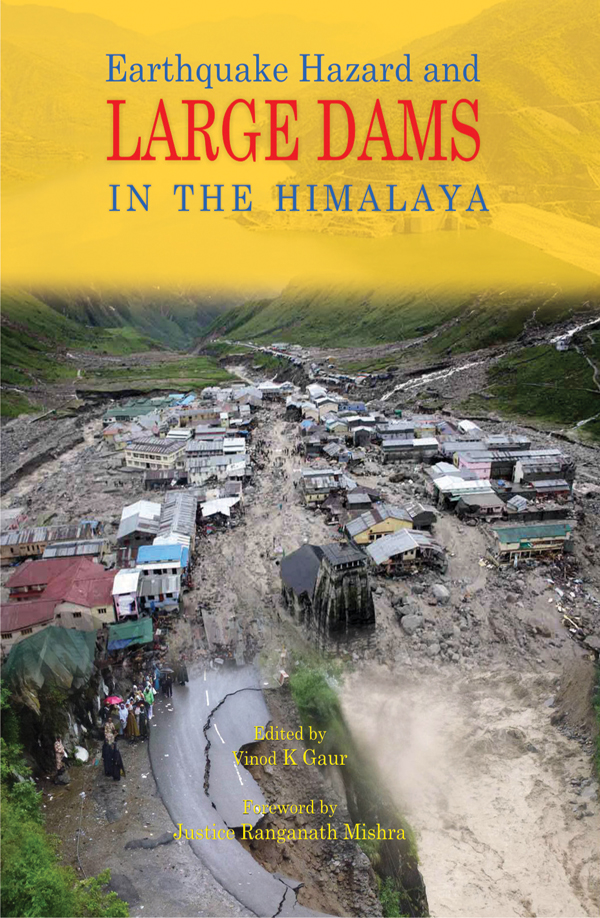
This book presents a compelling critique of large dams, drawing attention to the geological and seismic risks associated with their construction, particularly in the fragile Himalayan region. While acknowledging the benefits that dams can provide, it highlights the potential dangers posed to downstream communities in the event of structural failure or earthquake-related damage.
Emphasising the need for caution, the book argues that dam planning and design must be grounded in rigorous geological and geophysical analysis. By examining the assumptions underlying major dam projects and advocating for more comprehensive investigations, it makes a persuasive case for balancing developmental needs with long-term environmental safety and risk mitigation.
| Binding | Hardcover |
|---|---|
| Pages | 153 |
| Publishing imprint | Environment |
| Size | 22.8 x 15.2 x 2.2 cm |
| Year | 2010 |
| Keywords | global warming, development impact, water conservation |
₹495.00
This book presents a compelling critique of large dams, drawing attention to the geological and seismic risks associated with their construction, particularly in the fragile Himalayan region. While acknowledging the benefits that dams can provide, it highlights the potential dangers posed to downstream communities in the event of structural failure or earthquake-related damage.
Emphasising the need for caution, the book argues that dam planning and design must be grounded in rigorous geological and geophysical analysis. By examining the assumptions underlying major dam projects and advocating for more comprehensive investigations, it makes a persuasive case for balancing developmental needs with long-term environmental safety and risk mitigation.
Reviews
There are no reviews yet.